Reacting to the Past
Could have. Should have. Would have.
Today you will learn to react naturally to real situations from the past - regrets, missed chances, and imagined results - and to say these chunks the way real English speakers actually say them.
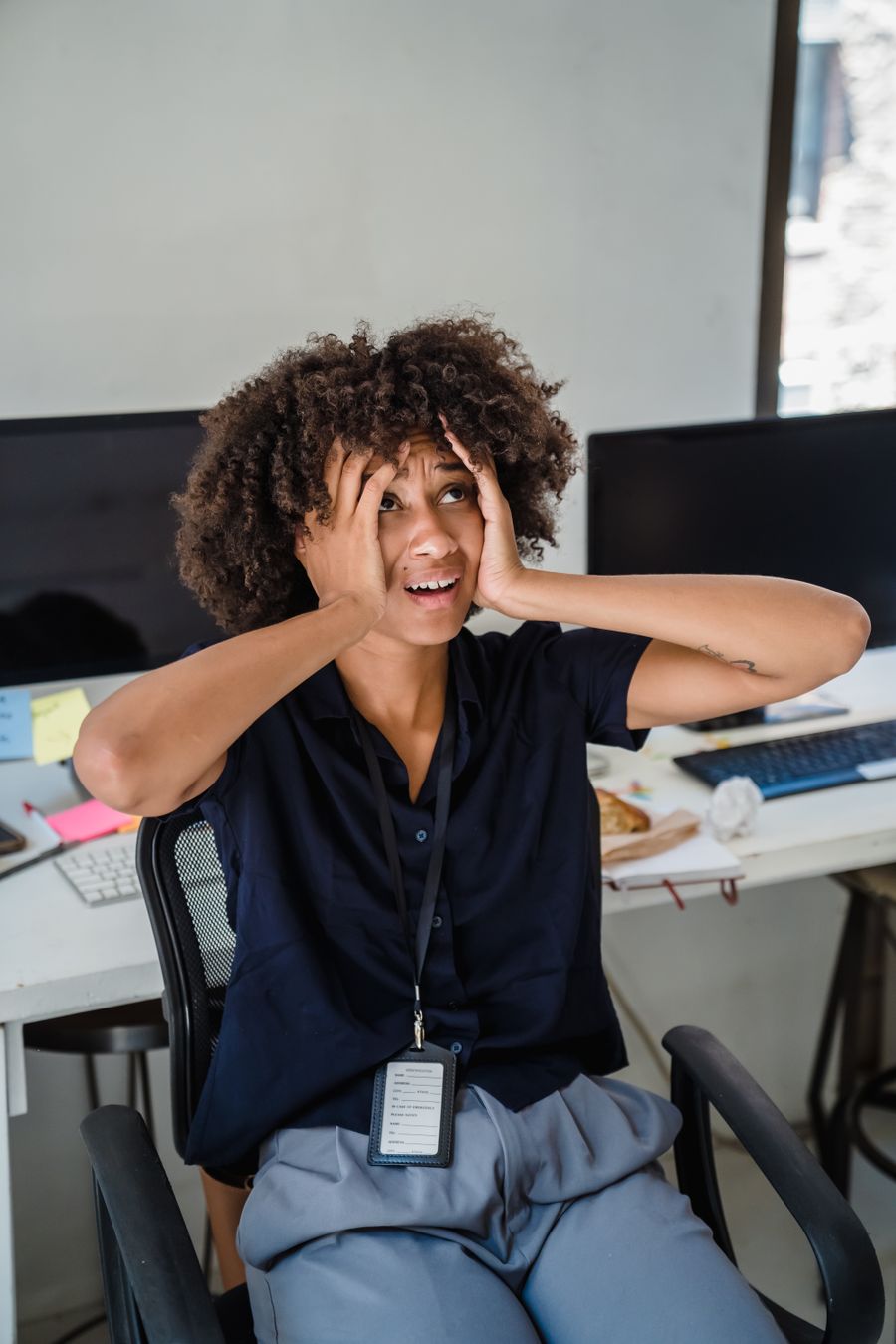
Look at this photo.

What do you think happened? What is this person thinking right now?
Share your ideas out loud with the group.
Here's what this person might be thinking...
That reaction - looking back at the past and responding to it - is exactly what we're practicing today.
Three Reaction Lenses
When something already happened, you can react to it through three different lenses. Same past moment, three different reactions.
🦱 The Regret Lens
Use it when you want to criticize or give advice about a choice that already happened - your own choice or someone else's.
🚪 The Missed-Chance Lens
Use it when something was possible, but it didn't happen - or when something was actually impossible.
🎥 The Imagined-Result Lens
Use it to imagine a different result of a different past - very often together with "if."
This is the #1 pronunciation trap
In fast, natural speech, "have" disappears into a tiny "-'ve" sound. Even native speakers mix up the spelling because of this. Listen closely:
And the negative forms drop the "t" sound too:
Get ready for two fast rounds
Round 1 - Combine & React: In groups of 3, you'll see a photo and a real situation. Race to react using one of the three lenses before time runs out.
Round 2 - Spot the Trap: Two sentences, one correct lens. Choose fast and be ready to say why.
Your coach will move the group into breakout rooms now.
Combine & React
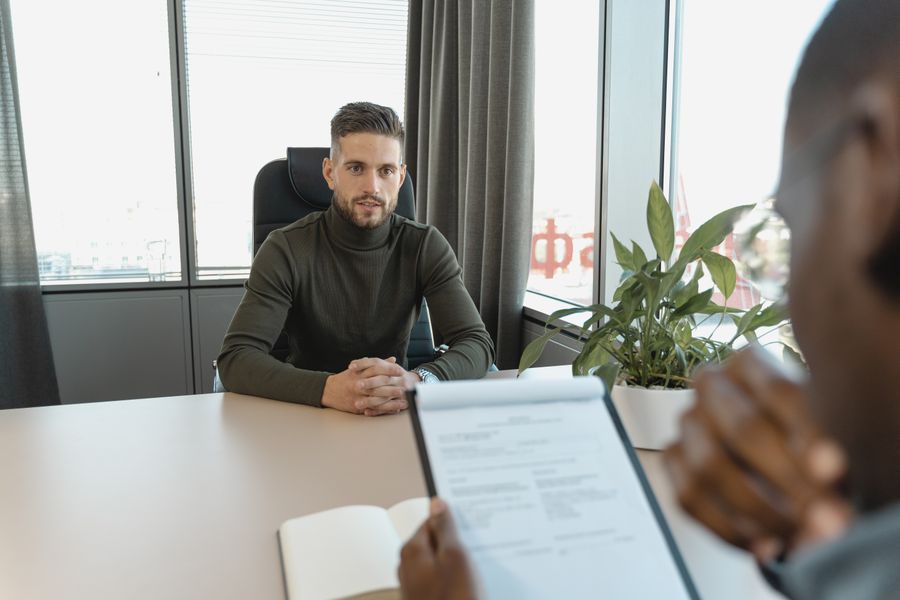
Marta didn't prepare any questions for her interview. She didn't get the job.
React with the 🦱 Regret Lens.
"She should have prepared some questions."
Combine & React

Carlos missed his sister's birthday dinner because he forgot to check his calendar.
React with the 🚪 Missed-Chance Lens.
"He could have set a reminder."
Combine & React
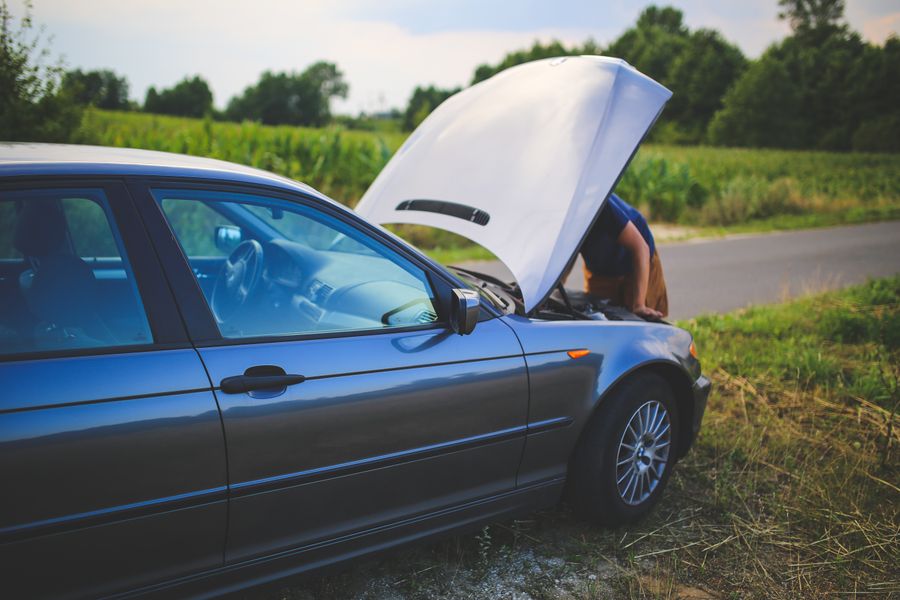
Ana bought a really cheap used car. It broke down after two weeks.
React with the 🦱 Regret Lens and the 🚪 Missed-Chance Lens together.
"She shouldn't have bought that car. She could have saved a little more and gotten a better one."
Combine & React
David sent an angry email to the whole team by mistake.
React with the 🎥 Imagined-Result Lens.
"If he had double-checked the address, he wouldn't have sent it to everyone."
Spot the Trap
Every pair below has one natural sentence and one that a near-native speaker would never say - even though it "sounds" possible. Choose the correct one fast, then be ready to explain why.
Diego is apologizing for not calling his friend back.
B is correct. They sound the same, but only "should have / should've" is correct in writing and grammar - "should of" is just a spelling mistake.
Diego broke his leg the day before the marathon.
B is correct. A broken leg is an accident, not a choice - "should have" criticizes a choice. "Could have" shows a chance that was lost.
The store was already closed when Rosa arrived.
B is correct. Nothing was in Rosa's control to criticize - the store being closed made it truly impossible.
Luis forgot his umbrella and got soaked in the rain.
A is correct. This is direct advice or regret about his own choice - not an imagined "if" result.
If Elena had left home five minutes earlier...
A is correct. This is the result of an imagined "if" condition - not advice or blame about a choice.
Pedro didn't have the right tools for the project.
B is correct. The missing tools made it impossible no matter how much time he had - true impossibility, not a lost chance.
Fluency Sprint
With your partner, choose one card below. Partner A speaks non-stop for 2:30 minutes, reacting to the situation with all three lenses. Partner B doesn't interrupt - just taps the counters below every time they hear a chunk. Then switch roles with a new card.
Choose a card
Tell your partner about a job interview that didn't go the way you wanted. What should you have done differently?
Tell your partner about a time you missed an important family event. What would you have done if you hadn't missed it?
Tell your partner about something you bought that you regret. What should you have done instead?
Tell your partner about a mistake you or someone you know made at work. What could have prevented it?
Partner B: tap every time you hear a chunk
Your turn - out loud
"This week, I ___________________."
Finish the sentence with should have, could have, or would have - about something real in your own life. Share it with the group.
Great work today
One more time, listen for that reduced sound - it's the difference between sounding like a textbook and sounding like a native speaker.
Keep reacting to your week with these three lenses, and notice how naturally they start to come out.